
Pet Care Made Simple: A Daily Routine, Preventive Health, and a Safe Home
What if caring for your pet felt easier every day? A steady pet care routine keeps your dog or cat calm, healthy, and happy. This guide shows you exactly how to build habits you can stick with, how to use smart preventive vet care, and how to create a safe space at home that supports play and rest.
You will learn feeding schedules, play ideas, a 60-second health check, and simple grooming. We will also cover vaccines, flea and tick prevention, pet dental care, and cat enrichment ideas that fit real life. Dogs and cats have similar needs, with small differences you can handle with a few tweaks.
📖 In This Article
- Build a Daily Pet Care Routine That Sticks
- What Preventive Pet Care Saves You Money and Stress?
- Create a Safe, Enriching Home Environment for Dogs and Cats
- Conclusion
Ready to keep it simple? We will end with a quick daily check and easy grooming tips you can start today.
Build a Daily Pet Care Routine That Sticks
A steady routine makes life easier for you and your pet. It helps with behavior, weight, and mood. Pets relax when they know what comes next. Feeding, potty breaks or litter care, exercise, and rest should happen about the same time each day. For more on why structure matters, see this guide on establishing a routine for cats and dogs.
Smart Feeding Schedules and Portion Control
Set two or three meal times. Breakfast and dinner work for most adult pets. Puppies and kittens often need a midday meal.
- Measure portions with a cup or scale. Adjust for age, size, and activity.
- Keep fresh water full, and clean bowls daily.
- Choose a high quality, balanced diet. Ask your vet about the right options.
- Natural, raw, or freeze-dried diets are choices for some pets. Talk to your vet before you switch.
- Too much soft food can raise dental disease risk. Mix in dry kibble if your vet agrees.
Dogs do best with set mealtimes to prevent begging. Many cats do well with two meals and a small puzzle feeder snack.
Exercise and Play Ideas to Burn Energy
Most dogs need 30 to 90 minutes of activity daily, split into chunks. Try brisk walks, fetch, or short training games that mix movement and focus. Ten minutes of sit, stay, and recall can tire the brain.
Cats thrive with short, fast play bursts. Aim for three to four sessions, 5 to 10 minutes each. Use wand toys, lasers used safely, or chasing toys that mimic prey. Add puzzle feeders and scent games for both dogs and cats to boost mental skills. Rotate toys weekly to keep interest high.
Quick Nose-to-Tail Health Check You Can Do in 60 Seconds
Use this fast scan once a day. You will spot small problems before they grow.
- Eyes clear, no discharge.
- Nose moist, no crust.
- Gums pink, breath not foul.
- Ears clean, no redness or odor.
- Coat glossy, skin free of flakes or hot spots.
- Paws free of cuts, nails not too long.
- Belly soft, no bloating.
- Normal movement, no limping or stiffness.
Note bumps, redness, signs of parasites, or changes in mood or appetite. Call your vet if something looks off.
Simple Grooming at Home: Brushing, Nails, and Ears
Weekly brushing cuts shedding and mats. Short coats need a rubber curry or bristle brush. Long coats may need a slicker brush and comb. Trim nails when you hear clicking on hard floors. Use a pet-safe ear cleaner and cotton pads. Never insert cotton swabs. Seek a groomer for baths, trims, or if your pet resists handling.
What Preventive Pet Care Saves You Money and Stress?
Preventive care catches problems early. It helps you avoid big bills and gives your pet a longer, healthier life. Your vet can guide you on vaccines, parasite control, and dental health. For a solid overview, check the AVMA page on preventive pet healthcare.
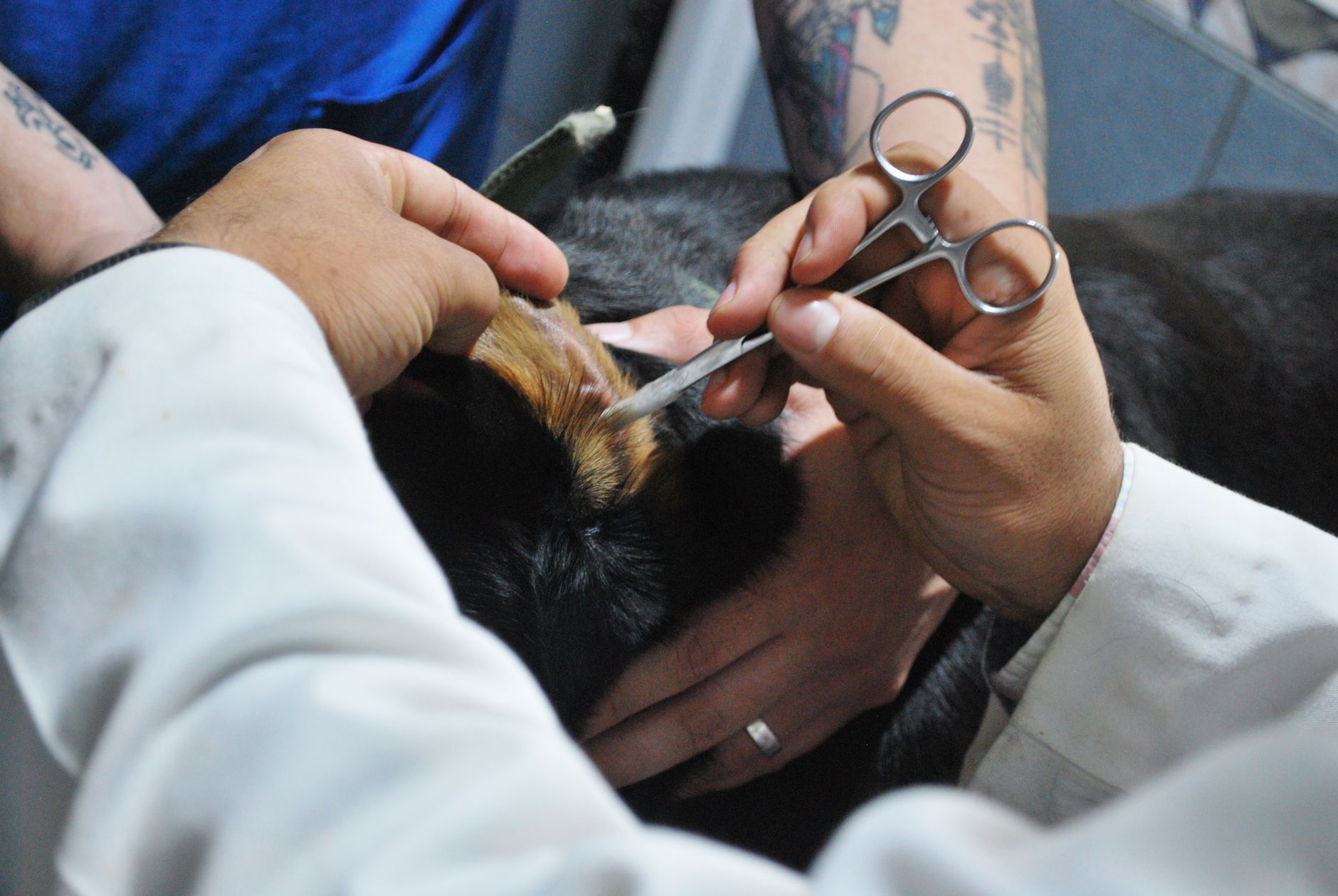 Photo by Ermelinda Maglione
Vet Visit Timeline and What to Expect
Puppies and kittens need multiple visits in the first year. They get vaccine series and growth checks. Healthy adults usually need annual exams. Seniors benefit from visits every 6 months.
Your vet will check weight, heart and lungs, skin and coat, joints, teeth, and gums. They will ask about behavior and any changes at home. Bring your questions and note any shifts in appetite, energy, or bathroom habits.
Vaccines, Flea and Tick, and Heartworm Prevention Year-Round
Dogs and cats need core vaccines for serious diseases. Your vet will add regional vaccines based on local risks. Boosters keep immunity strong on a set schedule.
Keep flea and tick prevention and heartworm control going all year. Parasites do not take a season off in many regions. Use monthly or vet-recommended dosing. Never mix dog and cat products. Ask your vet which ingredients are safe for your pet’s age and weight. This clinic overview on vaccinations, parasite control, and dental care explains how these pieces fit together.
Easy Pet Dental Care at Home and With Your Vet
Daily or near-daily brushing works best. Use pet-safe toothpaste and a finger brush at first. Start slow and reward often. Add dental chews, rinses, or diets your vet approves. Watch for signs of trouble like bad breath, drool, pawing at the mouth, dark tartar, or bleeding gums. Your vet may recommend professional cleanings at set intervals to protect the heart, kidneys, and liver from oral bacteria.
Spay/Neuter and Nutrition Choices That Support Longevity
Spay or neuter can lower certain cancer risks and reduce roaming or marking. The best timing depends on breed, size, and age, so ask your vet.
Feed a balanced diet with clear labels. Look for complete and balanced statements that match your pet’s life stage. Avoid crash diets. Make changes over 7 to 10 days to protect the gut. Weigh your pet monthly and track body shape, not just the number. You should feel ribs with light pressure, and see a waist from above.
Create a Safe, Enriching Home Environment for Dogs and Cats
Your home can be a comfort zone and a playground. Small tweaks make a big difference. If you want a simple starting point, this short routine care checklist offers helpful reminders you can pin to the fridge.
Set Up Cozy Beds, Safe Zones, and Feeding Areas
Create quiet rest spots with size-appropriate beds. Place them away from drafts and loud traffic. Crates or covered beds make good safe zones for dogs and shy cats. In multi-pet homes, feed in separate areas to lower stress. Raised bowls can help some large dogs or pets with joint pain if your vet agrees.
Boredom Busters: Puzzle Toys, Training Games, and Cat Enrichment
Use puzzle feeders and snuffle mats to turn meals into brain time. Add short training sessions for dogs to teach cues and tricks. For cats, set up scratchers, towers, and window perches. Daily play keeps minds sharp and bodies fit. Rotate activities so your pet does not tune out the same toy.
Clean, Organized Spaces Reduce Stress and Parasites
Wash bedding weekly. Vacuum hair and dust often, especially in corners and under furniture. Scoop litter at least once a day, and refresh litter and clean boxes regularly. Disinfect food and water bowls daily. Keep leashes, harnesses, and grooming tools in one spot so you can find them fast. Clean spaces lower parasite risk and make your home smell better.
Plan for Pet Insurance and Emergency Costs
Vet care can add up, especially during emergencies. Pet insurance can offset surprise bills and some plans help with preventive care. Compare coverage, deductibles, payouts, and add-ons. The ASPCA page on preventive care coverage explains what routine services plans may include. Build an emergency fund for unplanned costs so you can act fast when it matters.
Conclusion
Strong pet care rests on three pillars, routine, prevention, and a safe home. Start small today. Pick a set walk time or do a quick nose-to-tail check before dinner. Book your next vet visit, refresh flea and tick prevention, and set up a cozy rest spot. Your pet will feel better, you will worry less, and your days will run smoother.
Frequently Asked Questions
How often should I take my pet to the vet?
Healthy adult pets should visit the vet at least once a year for a wellness checkup. Puppies, kittens, and senior pets may need more frequent visits—every 3 to 6 months. Regular vet visits catch health issues early before they become serious.
What are the signs that my pet needs urgent veterinary care?
Seek emergency vet care if your pet shows: difficulty breathing, collapse or severe weakness, uncontrolled bleeding, suspected poisoning, seizures, loss of consciousness, or persistent vomiting/diarrhea. When in doubt, call your vet immediately.
Are pet supplements necessary?
Most pets on a complete and balanced commercial diet don't need supplements. However, vets may recommend specific supplements for joint health (glucosamine, fish oil), digestion (probiotics), or coat health (omega-3 fatty acids) based on your individual pet's needs.
We'd love to hear from you!
Did you find this guide helpful? Do you have questions or tips of your own? Share them in the comments below — our community of pet lovers would love to hear your experience!
🐾 You Might Also Like

🐾 Written by Sarah Jenkins & Barnaby
Hi, I'm Sarah! I've spent the last 8 years navigating the wild, wonderful world of dog ownership alongside my Golden Retriever, Barnaby. I created WhiskerTail to share the real-world, practical tips that actually worked for us. All our health guides are reviewed by veterinary professionals for accuracy.
Meet our pack →
🎁 Featured: Custom Pet Gifts
Turn your favorite memories of your furbaby into premium, personalized art and accessories.
Post a Comment